How Much House Can You Afford
Ann Morgan
Ann Morgan

“How much home can I afford?” This is a question asked by almost all buyers, not just first-time buyers. With shifting interest rates, homeowners association (HOA) fees, local assessments, and evolving property prices, it’s natural to wonder what your actual budget will be when shopping for a home.
The most definitive way to answer this question is to consult with a qualified mortgage lender. A loan officer will review your income, assets, down payment funds, local property taxes, homeowners insurance, credit history, and existing debt obligations to determine your true purchasing power.
Combined, these financial metrics determine how much money you can borrow safely. Partnering with a trusted lender early in the process ensures you receive accurate figures tailored to your unique financial situation before you begin house hunting.
Stay up to date on the latest real estate trends.

Explore Stillwater new construction communities, builders, locations, and buying options.
Should you buy now or wait? Explore Stillwater mortgage rates and market insights.
Learn how new construction and home sales contribute to economic recovery.

Getting ahead of that wave now might be your biggest opportunity.
Understand how recessions affect housing markets and why home values may remain resilient.

Protect your mortgage approval by avoiding credit, employment, and financial changes before closing.
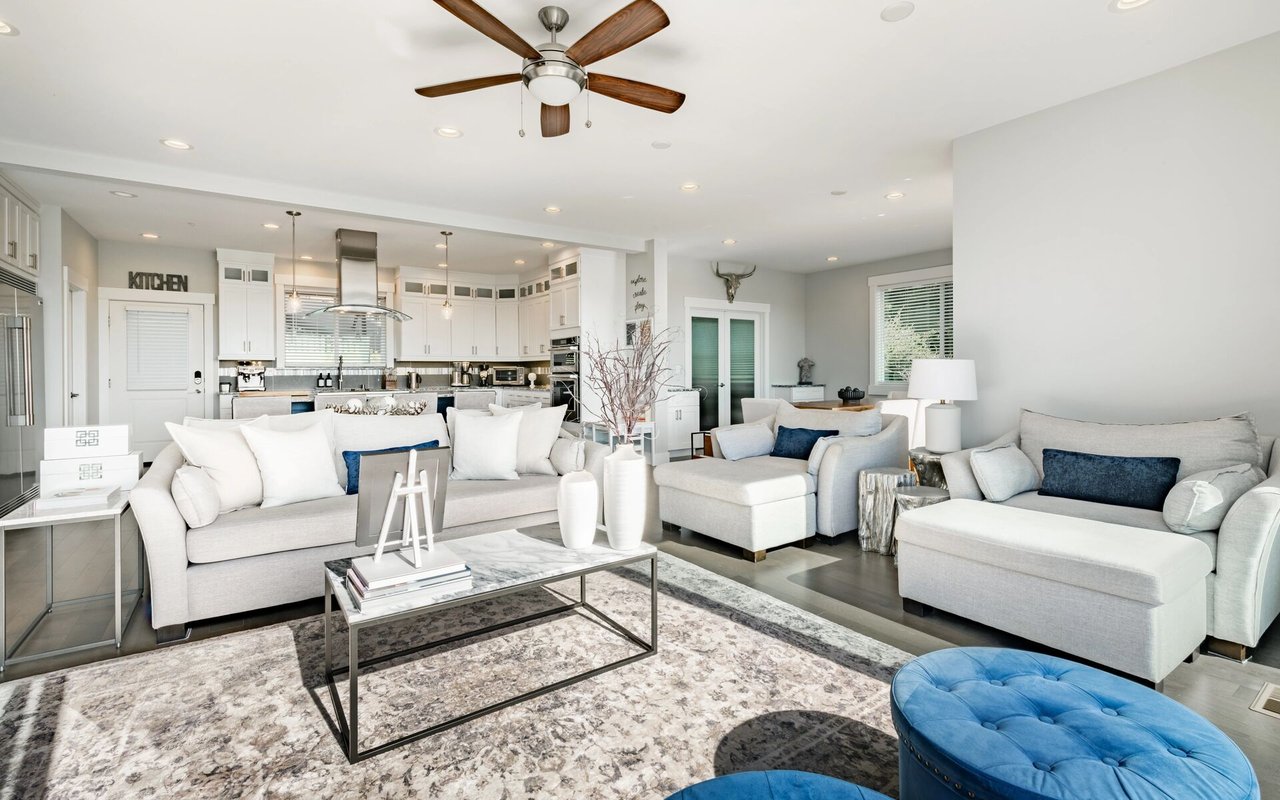
Until you close on your new loan, it’s more important than ever to keep your credit steady.
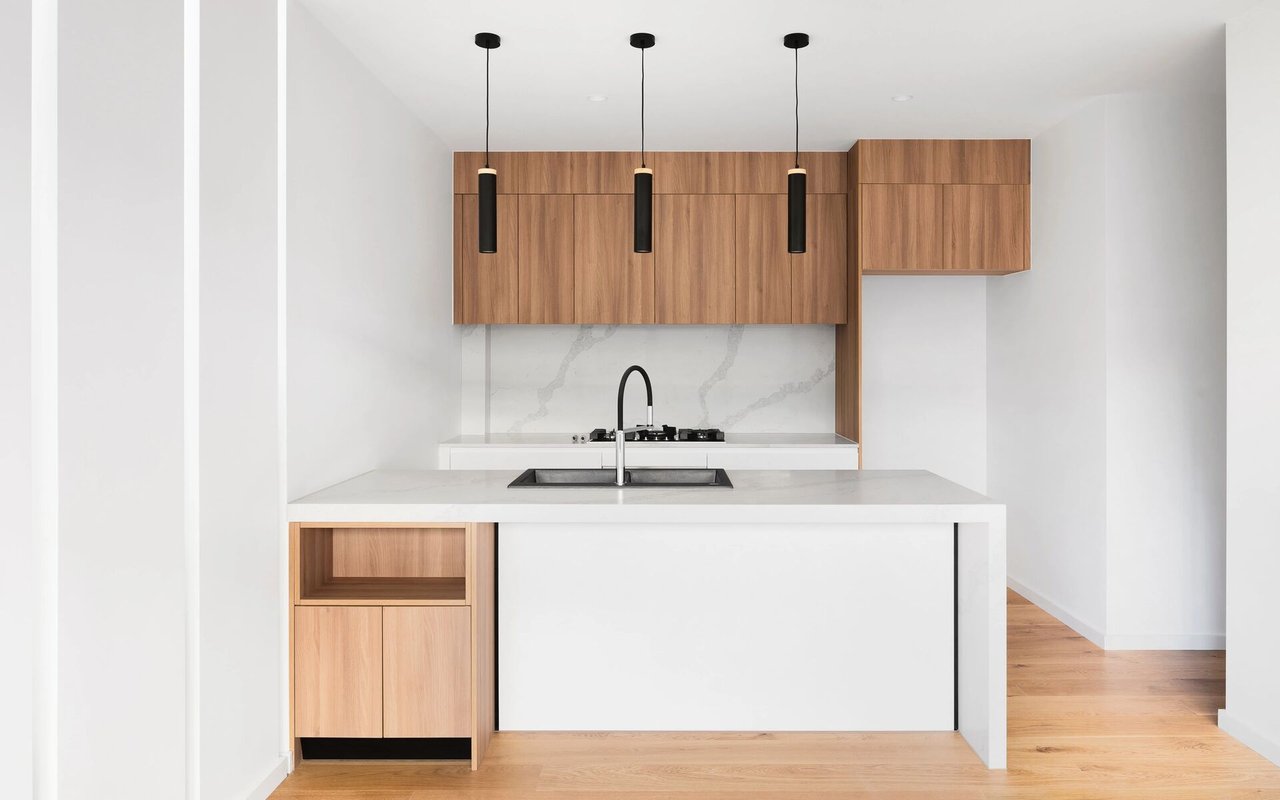
Discover three affordable hardwood options that add beauty, durability, and elegance to any home.

Understand home selling from preparation and listing through offers, escrow, and closing.
Get help determining your property's current value, crafting a competitive offer, writing and negotiating a contract, and more. Contact me today.