Renting by the Bed or Buying the House: The Real Math for OSU Parents in Stillwater
A parent doing homework for a sophomore's fall lease pulls up four Stillwater listings and lines up the numbers. Prime Place starts at $449 a month. Alight Stillwater lists from $495. Brooks at Stillwater starts at $630. Village F, the premium option, runs $917. Every one of those is a per-bed price, and every one of those is the number most parents write down as "what housing costs."
It's the wrong number to write down. It's the price of one bedroom, not the price of the building that bedroom sits inside. Multiply it out and the comparison that actually matters, buying the house versus renting the bed, looks different than the sticker suggests.
Purpose-built student housing in Stillwater leases by the bedroom, and each roommate signs an individual agreement rather than one shared lease for the whole unit. That structure is useful for students, since one roommate skipping rent doesn't put the others on the hook for the shortfall. But it also means the advertised price only ever describes a fraction of what the unit costs to occupy in full.
Here's what the same four properties cost once you count all four bedrooms in a typical four-bedroom floor plan:
Property | Per-bed rate | Four-bedroom total |
|---|---|---|
Prime Place Stillwater | $449 | $1,796 |
Milestone Stillwater | $455 | $1,820 |
Alight Stillwater | $495 | $1,980 |
Brooks at Stillwater | $630 | $2,520 |
Village F | $917 | $3,668 |
Those are starting rates, and actual floor plans vary. But the pattern holds across the board. A parent anchored on the $495 line item is budgeting for a quarter of the real monthly outlay for that address. If four students split a unit, the building itself is generating somewhere between $1,800 and $3,700 a month in rent, every month, for the length of the lease, and none of it builds equity for anyone paying it.
Compare that to what it costs to finance a comparable roof outright. The 30-year fixed mortgage rate averaged 6.95% as of September 17, 2026, according to Freddie Mac's weekly survey. Stillwater's new construction currently lists at a median of $280,000, with 82 new homes on the market as of mid-September 2026. The broader resale market has been moving in the same direction: Zillow's home value index put the average Stillwater home at $266,763 as of May 2026, up 4.7% over the previous year.
Run the math on a $280,000 purchase with 20% down. That's a $224,000 loan at 6.95%, which works out to roughly $1,480 a month in principal and interest. Add typical property tax and insurance costs and total monthly ownership cost still lands well under the $2,520 a family would pay for a four-bedroom unit at Brooks at Stillwater, and meaningfully under the $3,668 a Village F unit runs. Even the cheapest rental line in the table, Prime Place at $1,796 for all four beds, sits above the bare mortgage payment before taxes and insurance are added in.
None of this means renting is the wrong call for every family. A four-year commitment to a house means a down payment, ongoing maintenance, and exposure to whatever the market does between purchase and resale. But for parents planning to house a student for more than a single year, the aggregate rent on a shared unit is frequently in the same range as, or higher than, the cost of carrying a mortgage on a house the family actually owns at the end.
Builders active in Stillwater right now include Ideal Homes, which has new-construction communities at Tradan Heights, Teal Ridge, The Canyons, and Bison Creek, spanning both first-time and move-up price points. Custom builders like PBK Builders have also been active on individual lots. On the acreage side, subdivisions like Los Rancheros and Lost Creek Meadows have listed new construction on lots running past a full acre, giving families more separation from the density near campus. Westwood remains one of the more active pockets for new construction closer to town, and it's also inside the Westwood Elementary School District if that matters for a family with other kids in the household.
The individual, by-the-bed lease at purpose-built complexes exists for a reason. It isolates each student's financial responsibility to their own bedroom. If a roommate stops paying or moves out, the remaining three aren't liable for that fourth share.
Buy a house and plan to have a student's friends rent rooms to help cover the mortgage, and that protection disappears unless it's rebuilt from scratch. A family-owned house with several unrelated tenants typically runs on one lease covering the whole property, which means the parent as landlord carries the exposure that the purpose-built complexes engineered away. If one roommate leaves mid-year, the parent is the one absorbing the gap, not spreading it across four individual agreements.
There's a second wrinkle worth knowing before signing anything. Cities set limits on how many unrelated people can legally occupy a single dwelling, and that limit is set by local ordinance, not by whatever the landlord or owner decides. A family buying a house near campus with the intent of housing four or five unrelated students needs to confirm the occupancy limit applies to that address before assuming the rental math works the way it does on paper.
OSU requires students under 21 to live in university housing during their first year unless they qualify for an exemption, according to the university's own housing residency policy. That rule alone means the rent-versus-buy decision usually doesn't apply to freshman year at all. The real decision point comes sophomore year onward, once a family knows the student is staying enrolled and has a sense of who they'll be living with.
That timing matters more this year than most. Oklahoma State's system enrollment topped 37,000 students for the 2026-27 academic year, a system-wide record, and the Stillwater campus alone carried an undergraduate enrollment of 23,003 as of fall 2025. That kind of sustained demand keeps pressure on both sides of this comparison, the purpose-built rental market and the resale and new-construction market a family might buy into. A house purchased for a student's junior and senior years, then resold as the next cohort of parents starts running the same math, is operating in a market that has shown no sign of thinning out.
None of this is a guarantee that a given house will sell for more than it was bought for. Real estate carries market risk in either direction. But a family that buys, holds for two to three years, and resells into a campus market still setting enrollment records is working with better odds than a family that pays rent for the same stretch and walks away with nothing to show for it.
Every family's math looks different depending on down payment, credit, how long the student plans to stay in Stillwater, and whether roommates are already lined up. The way to know which side of this comparison actually wins for a specific situation is to run the real numbers against real listings, not against a website's advertised starting rate.
Ann Morgan works with OSU parents through exactly this kind of decision, from comparing builder-owned new construction like Ideal Homes' Stillwater communities to walking through what a specific resale listing would actually cost to carry month to month. If you're weighing a purchase for a student headed into sophomore year or beyond, let's connect and look at what the math says for your family specifically. Join the Stillwater home buying for OSU parents for more information https://www.facebook.com/groups/1388465913401688.
Does the math change if a family puts down less than 20%? Yes. A smaller down payment raises the loan amount and monthly principal and interest, and conventional loans under 20% down typically carry private mortgage insurance on top of that. The comparison still holds directionally in most cases, since the aggregate rent examples above are high enough to absorb a somewhat larger mortgage payment, but the exact numbers should be run for the specific loan terms available.
What happens if the roommates change every year? That's part of what makes the joint-lease exposure real for a parent-owned house. A new lease each year with a new set of roommates means re-underwriting the risk each time, whereas a purpose-built complex resets that risk automatically through its individual leasing model. Families going the ownership route should plan for some turnover and build in a cushion rather than assuming the same four names will renew every August.
Stay up to date on the latest real estate trends.
Explore Stillwater new construction communities, builders, locations, and buying options.
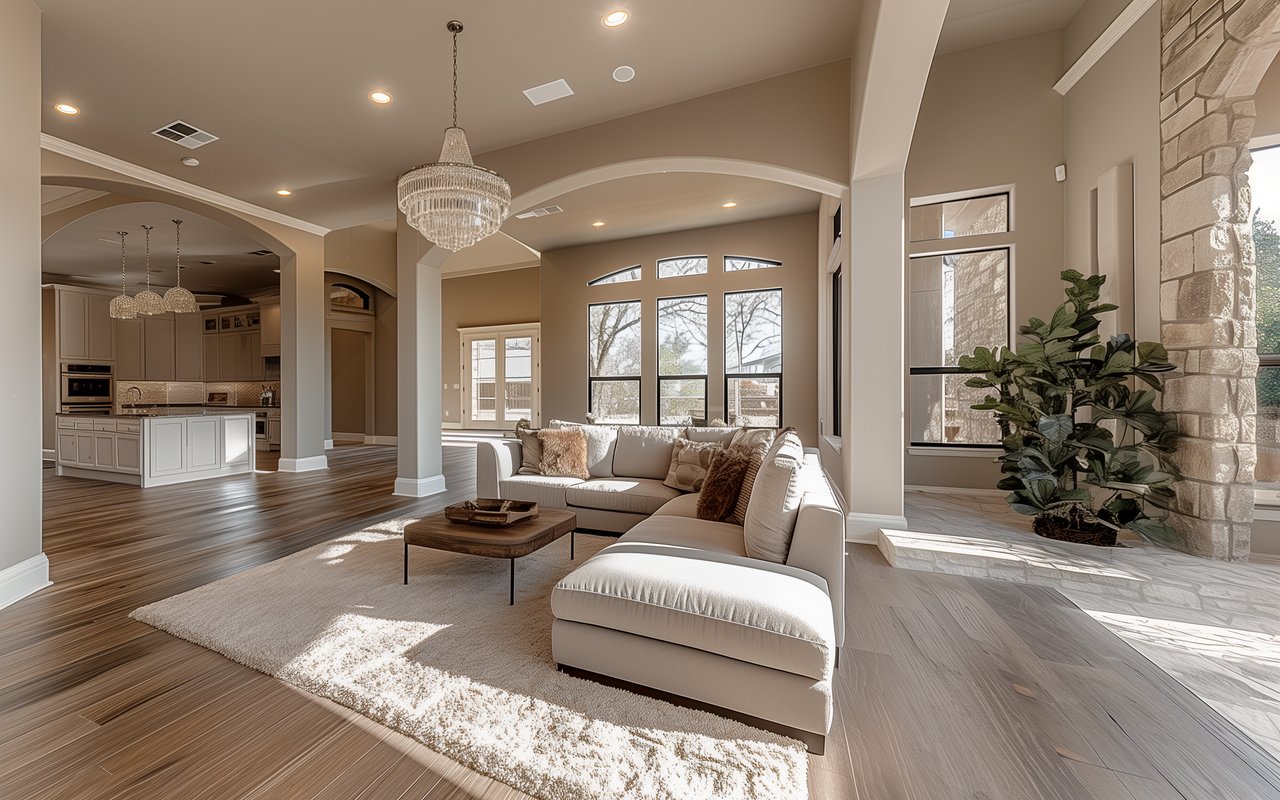
Should you buy now or wait? Explore Stillwater mortgage rates and market insights.

Learn how new construction and home sales contribute to economic recovery.

Getting ahead of that wave now might be your biggest opportunity.
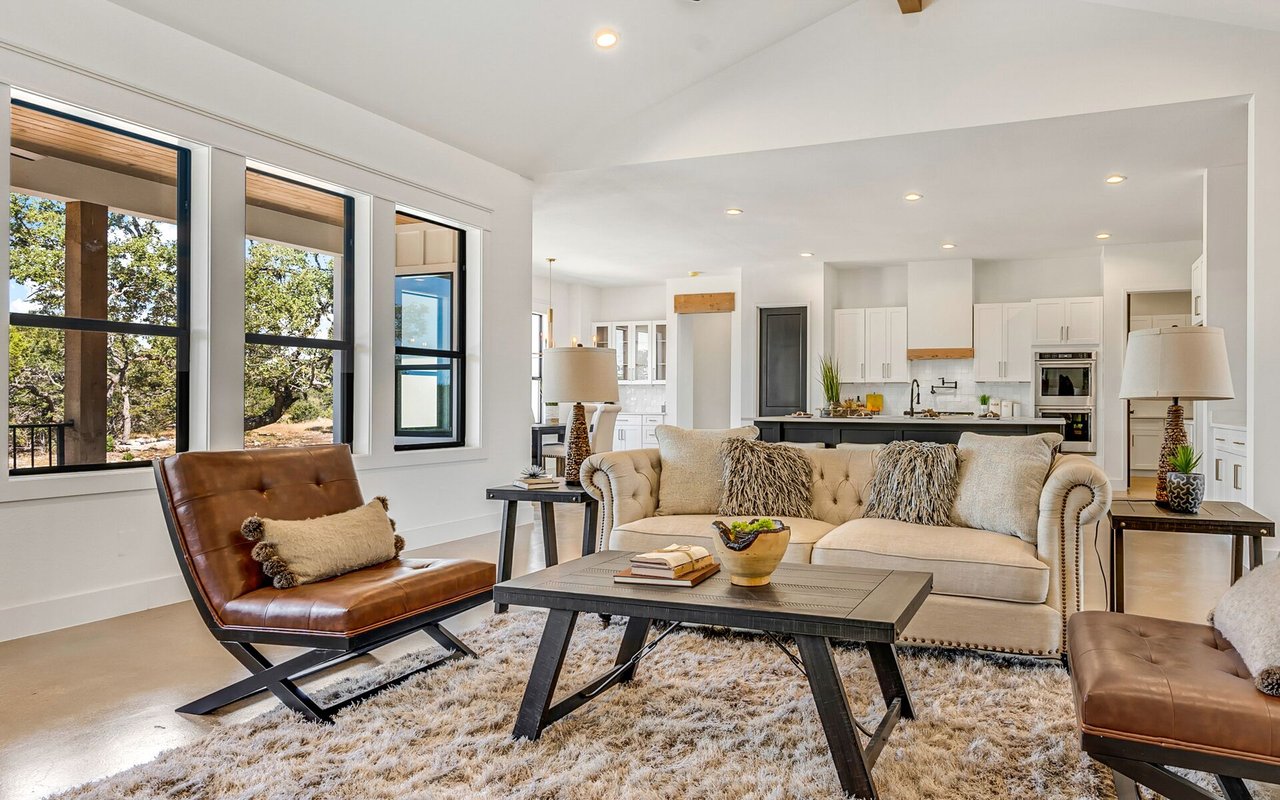
Understand how recessions affect housing markets and why home values may remain resilient.

Protect your mortgage approval by avoiding credit, employment, and financial changes before closing.
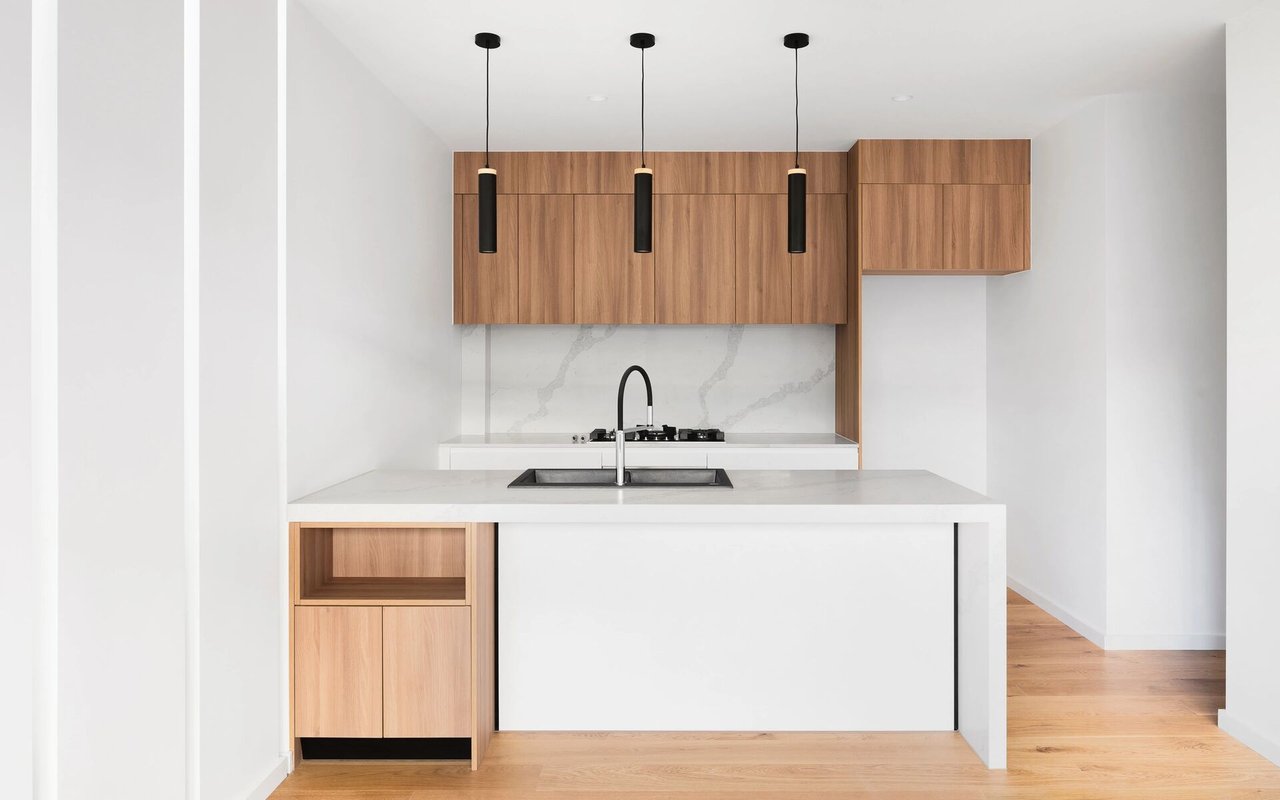
Discover three affordable hardwood options that add beauty, durability, and elegance to any home.
Get help determining your property's current value, crafting a competitive offer, writing and negotiating a contract, and more. Contact me today.