Should You Consider an Adjustable-Rate Mortgage? What Stillwater Buyers Should Know
Buying a Home Ann Morgan
Buying a Home Ann Morgan
An adjustable-rate mortgage (ARM) starts with a lower rate than a fixed-rate loan, then the rate can change after a set number of years. With mortgage rates near their highest since January 2025, more buyers are taking a look at them, and for the right buyer an ARM can lower the payment while they get settled. It isn't right for everyone, so here's how it works, what to weigh, and what to ask a lender.
With a fixed-rate mortgage, your interest rate stays the same for the whole loan. With an ARM, your rate is fixed for an introductory period, then it can go up or down based on market conditions.
The name tells you how it works. In a 5/1 ARM, the "5" means the rate is locked for five years, and the "1" means it can adjust once a year after that. Some newer ARMs adjust more often, so ask your lender exactly how often the rate can change. The adjustment is called the reset.
A helpful comparison is a phone or cable plan with an introductory deal. You start at a lower price, and then it changes when the deal ends.
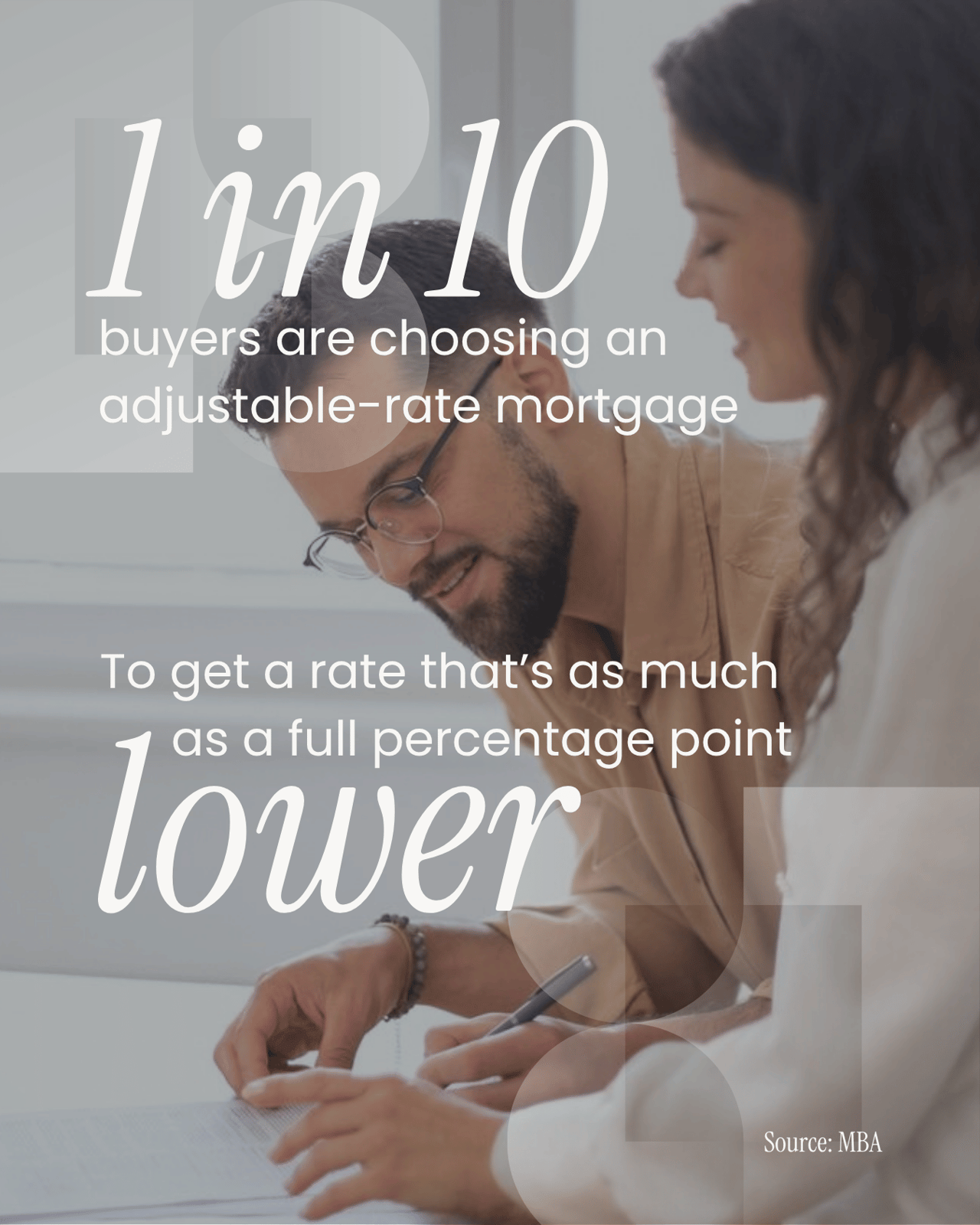
The main reason is the lower starting rate. According to Bankrate, as cited by Keeping Current Matters, ARM rates in September were more than a full percentage point below comparable fixed-rate loans. Depending on the product, that can mean roughly $150 to $300 less per month on a median-priced home. Those are national figures, and your lender can tell you what's available to you today.
Interest is growing. Data from the Mortgage Bankers Association shows about 1 in 10 mortgage applicants in October chose an ARM.
Possible upsides
Trade-offs to understand
ARMs got a bad reputation in the 2008 financial crisis, when some loans had very low starting payments that later jumped, and others didn't require borrowers to prove their income. Today's rules are different. Under the federal Ability-to-Repay rule, lenders must verify your income and finances with documents like pay stubs, W-2s, and tax returns. They also have to consider what your payment could be after the reset, not just the starting payment. That doesn't remove the risk of a higher payment later, but it does mean today's loans are underwritten differently.
If you have an ARM, you'd have choices when the time comes:
Keeping your credit and debt in good shape the whole time keeps those choices open.
Ask your lender to run the numbers for you, including the worst case. Then decide whether the savings are worth the risk.
An ARM is one of several tools. A rate buydown paid by the seller or builder can also lower your payment, and it keeps a fixed-rate loan. See How Do Rate Buydowns Work? What Stillwater Home Buyers Should Know. To see what different rates mean for a monthly payment, try my Buyer's Purchasing Power calculator.
I'm not a lender, and the right loan depends on your finances and how long you plan to stay. I work with local lenders who can run your numbers every way, and I'll help you compare the payment against the homes you're considering. Reach out and we'll start there.
Thinking about moving to Stillwater? Join the Moving to Stillwater group on Facebook to ask questions and get local answers: https://www.facebook.com/groups/534271350873991
Ann Morgan is a REALTOR® with Real Estate Professionals in Stillwater, Oklahoma, specializing in new construction and OSU parent-buyer relocation. A five-time winner of Stillwater's Best Realtor award and a consistent top-3 agent in the Stillwater MLS.
This article is general information, not financial advice. Talk to a lender about your situation.
Sources: Bankrate (ARM and fixed-rate comparison) and Mortgage Bankers Association (ARM share of applications), via Keeping Current Matters. National figures.
Stay up to date on the latest real estate trends.
Moving to Stillwater
Neighborhoods with playgrounds, pools, trails, and gates, and how to choose the right fit.
New Construction
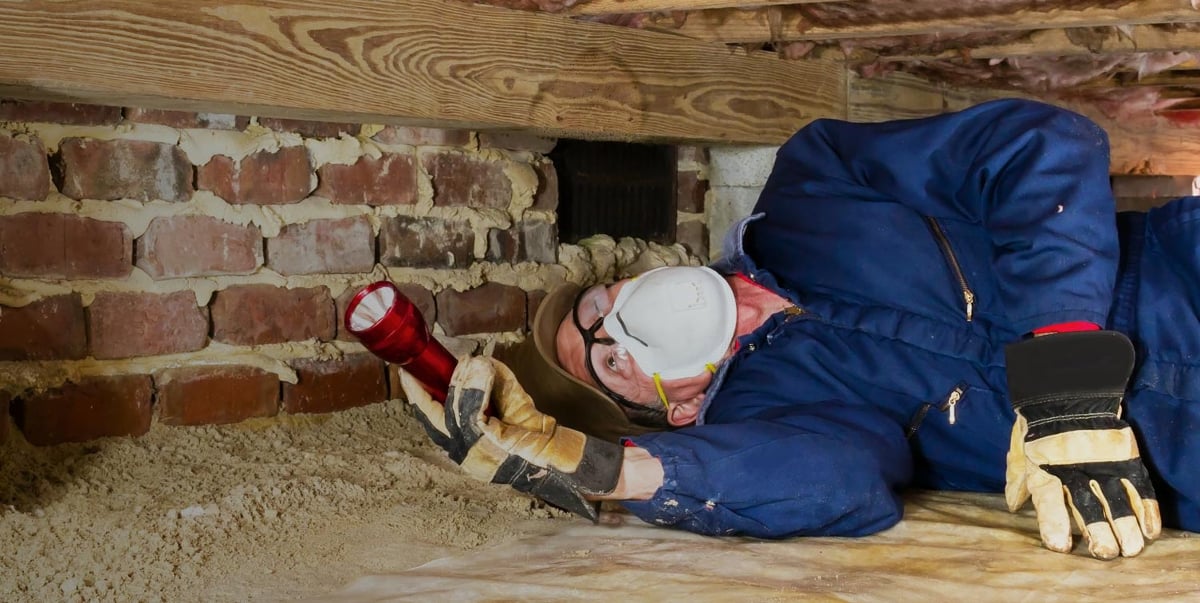
Yes, and here's when to schedule it and what it can catch.
Buying a Home
What a student can qualify for alone, and the ways families make it work.
Buying a Home
How an ARM works, what it could save you, and what to ask your lender before you decide.

A checklist of what to look at, what to ask, and what to decide before you drive home.
Buying a Home
What a 2-1 buydown is, who pays for it, and the fine print to ask about.

Real Estate Market
What the national numbers say, what to check locally, and what to do about it.
Buying a Home
Why the answer depends on how long your student will be here, and what happens after.
Get help determining your property's current value, crafting a competitive offer, writing and negotiating a contract, and more. Contact me today.